Inspection & Network Integrity

You can’t manage what you haven’t inspected.

Condition intelligence for sewer and storm, gas and water networks.

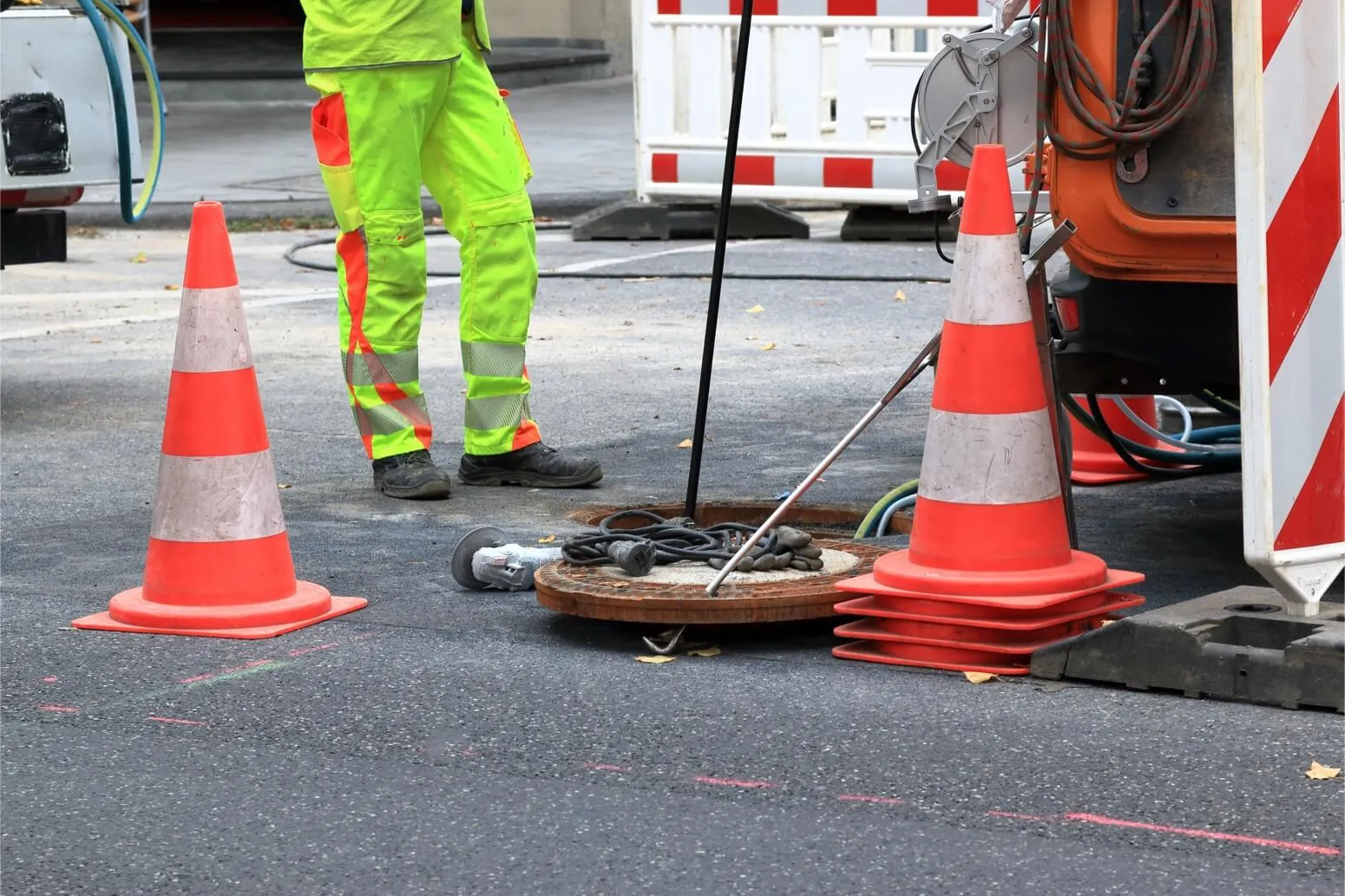
Network inspection crew working at a sewer access point
Sewer & Storm · Gas · Water

Condition decisions are only as strong as the evidence connected to the asset.

Network Inspection Services

The right inspection for every network.

Three programs, organized by the network you run.

01Sewer & storm

CCTV condition assessment

Mains, laterals, manholes and catch basins with standards-based coding.

  • Mainline & lateral CCTV
  • PACP / LACP / MACP
  • Structure inspection
You receive
Coded media, observations and asset-linked condition records.
Supports
Maintenance, rehabilitation and capital planning.
02Gas

Cross-bore & leak investigation

Mains and services where crossings or leak indicators need review.

  • Cross-bore investigation
  • Leak survey
  • Evidence capture
You receive
Location-linked findings, media and investigation notes.
Supports
Engineering review, mitigation and network integrity action.

03Water

Leak & hydrant inspection

Mains, services, valves and hydrants, tied to the correct asset.

  • Leak detection
  • Hydrant inspection
  • Asset checks
You receive
Location-linked findings and service or condition records.
Supports
Operational follow-up, maintenance and renewal planning.

What You Receive

Condition evidence built for decisions

Coded Condition Data

Sewer and storm observations your team can act on.

Asset-Level Findings

Documented observations for the specific assets inspected.

Planning Inputs

Evidence for compliance and risk-based maintenance priorities.

Why It Matters

Condition intelligence, not guesswork

Compliance documentationOrganized
Fitness-for-purpose assuranceDocumented
Risk-based prioritization of spendData-Driven

How It Works

From field inspection to maintenance priority

01

Define

Set assets, standards and decisions.

02

Inspect

Capture condition with the right method.

03

Assess

Code findings and identify concerns.

04

Use

Feed maintenance, compliance and planning.

Proof

Selected operator and utility experience

  • OCWA
  • Enbridge
  • ATCO Gas
  • EPCOR
  • City of Barrie
  • Halton Region

Questions

Straight answers

PACP, LACP and MACP provide consistent condition-coding frameworks for pipelines, laterals and manholes. Confirm the required program, coding edition, deliverable format and personnel qualifications when the inspection scope is defined.

Sewer and storm mains, laterals, manholes and catch basins; gas cross-bores and leaks; water leaks and fire hydrants.

Into deliverables you can use — and, if you want it, into the Web-GIS so condition lives beside location in one system.

Start with the asset type, known concerns, available records and the decision the findings must support. Tierra can then align the inspection method, condition standard and deliverable with operations, compliance or capital-planning needs.

The scope can connect sewer, storm, gas and water work where that fits the owner’s program. Each asset keeps the appropriate inspection method and standard while the resulting records can be organized for a common mapping or asset-management workflow.

Know Your Network

Know its condition before the next decision.