
FTTH Network Design
Design fibre routes on verified ground.
Existing-condition data, utility conflict identification, route validation and permitting for fibre-to-the-home builds.
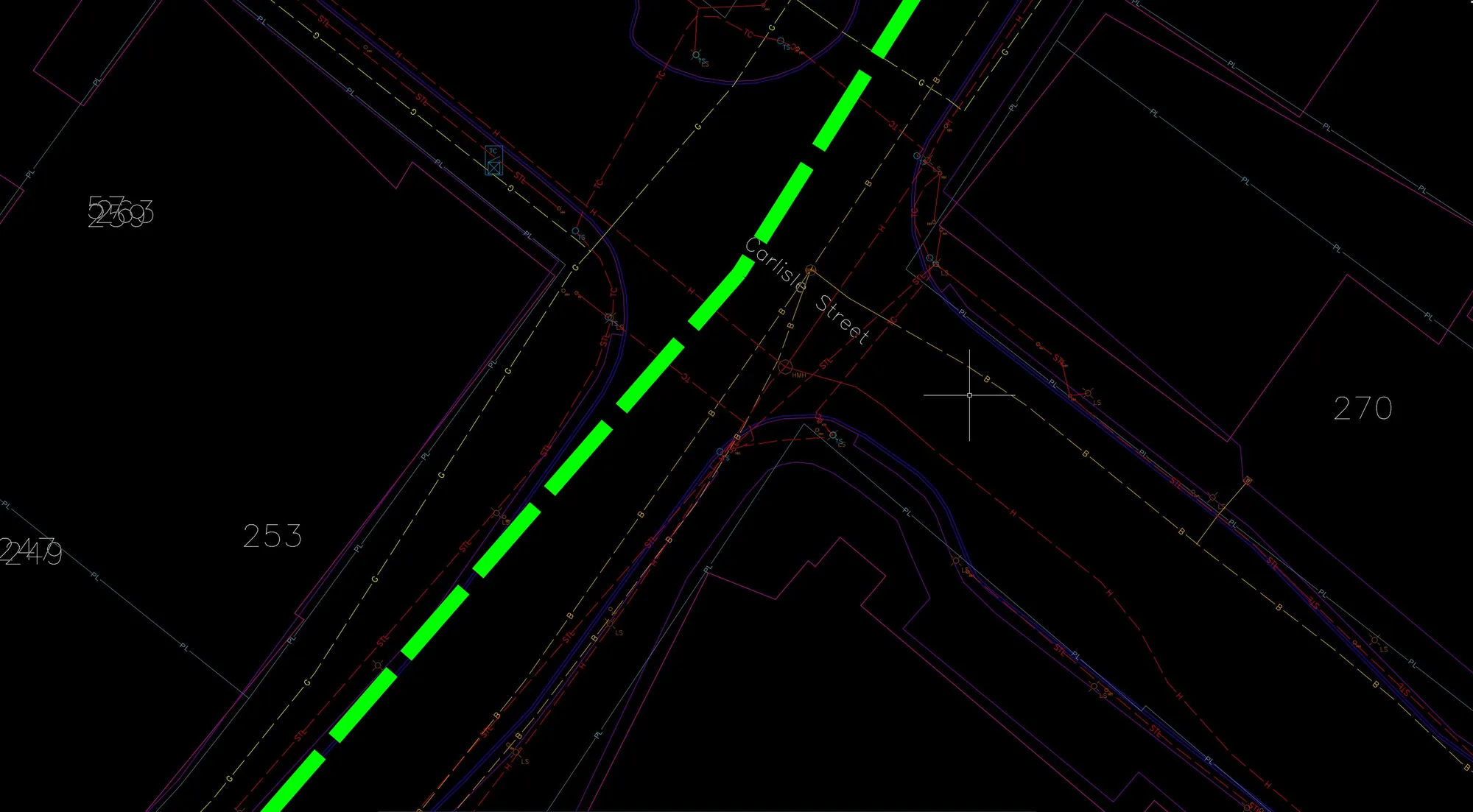
A fibre route is only as good as the ground data underneath it.
What We Do
Design that starts with what is already underground
What You Receive
A fibre route package built for review
Existing Conditions
Underground and above-ground facilities captured before the route is fixed.
Validated Route
Conflicts and constructability questions identified before crews mobilize.
Permit Package
Applications aligned with municipal requirements and moved through review.
How It Works
From route data to build-ready
01
Route Data
Existing infrastructure captured along the proposed fibre route.
02
Design Input
Conflicts and constraints returned to the design team.
03
Validation
Route and permit requirements checked before crews commit.
04
Build-Ready
Current route, comments and document issue aligned.
Proof
Selected network-building experience






Questions
Straight answers
Tierra captures existing conditions along the route, identifies utility conflicts for the design team, validates the proposed path and carries the package through municipal permitting.
Tierra provides design support and the field evidence a route is built on. Where a project requires sealed engineering drawings, that responsibility stays with the project’s engineer of record.
The existing-condition data that shapes the route also feeds the permit application, so reviewers and field crews work from one record.
A proposed route or build area, the current design package, target schedule and known jurisdiction are enough to begin.
Building Fibre?